
Visual
This is an original, rolled, one-sheet movie poster from 1987 for Empire of the Sun starring Christian Bale, John Malkovich, Miranda Richardson and Joe Pantoliano. Steven Spielberg directed the film based on the novel by J https://voltagebets.org/mlb/.G. Ballard. John Alvin is the artist for the poster.
Shomei Tomatsu (Japanese, 1930-2012) Atomic Bomb Damage – Wristwatch Stopped at 11.02, August 9, 1945, Nagasaki 1961 Gelatin silver print on paper 253 x 251mm Tokyo Metropolitan Museum of Photography, Tokyo
These works led me to attempt to create this photographic book, using the notion of the map as a clue to the future and to question the whereabouts of my spirit. Discarded memorial photographs, a farewell note, kamikaze pilots – the illusions of various maps that emerge are to me like a discussion with the devil. The stains are situated as a key image of the series by drawing a future stratum and sealing the history, the nationality, the fear and anxiety of destruction and prosperity. It was almost a metaphor for the growth and the fall.
Conflict, Time, Photography is curated at Tate Modern by Simon Baker, Curator of Photography and International Art, with Shoair Mavlian, Assistant Curator, and Professor David Mellor, University of Sussex. It is organised by Tate Modern in association with the Museum Folkwang, Essen and the Staatliche Kunstsammlungen, Dresden, where it will tour in spring and summer 2015 respectively. The exhibition is also accompanied by a fully-illustrated catalogue from Tate Publishing and a programme of talks, events and film screenings at Tate Modern.
Classic artwork
High waves are lashing the boat with Jesus and his disciples, and dark clouds are glowering above them. The painting also depicts faith, showing Jesus in a very calm position and the least bit worried.
The painting’s notoriety is in part due to the strong historical and cultural significance that it holds. The Last Supper is a significant representation of the Christian faith, depicting a key moment in the life of Jesus Christ. The painting’s fame has also been aided by its popularity in various forms of popular media over the years.
Iconic paintings often possess a combination of artistic excellence, cultural relevance, and the ability to transcend their original context. They become timeless symbols that resonate across generations.
Acknowledging the ever-changing and dynamic nature of art, susceptible to the nuanced shifts influenced by an array of factors such as cultural developments, societal trends, and evolving artistic expressions, we filly commit to a dedicated and ongoing effort. This effort aims to carefully update our list of the world’s top 100 most famous paintings, ensuring it stays relevant and adapts to the changing art world. In this commitment, we take on the responsibility of capturing new stories, showcasing emerging talents, and adjusting to the evolving world of artistic brilliance.
There are more than a hundred versions of the Peaceable Kingdom by Edward Hicks. The ornamental painter created all these versions featuring a theme of the eleventh chapter of Isaiah. The painting made its mark not only for its appealing imagery but also for its beautiful message of peace.
Retro graphic
Retro design is popular with people already familiar with the style and those who are experiencing these designs for the first time now. Drawing multiple demographics (that retro designs are famous for), retro effects make it easier to engage the audience instantly and make designs recognizable and remembered for a long.
The retro art style doesn’t have a definite history despite its prominent influence on graphic design and pop culture. Even long before the word retro was coined, graphic designers used references from the past in their art. Due to the fact that retro art is a broad category that includes many other styles, it’s hard to pinpoint when it emerged. For example, Art Deco emerged in the 1920s, while another retro art style, Art Nouveau was created in the 1890s.
Make full use of the Picsart collection grunge filters to make your own retro designs. Use any one of our four GRNG filters to instantly transform your photo to your favorite grunge aesthetic. Make sure to adjust the settings of each GRNG filter to get the most out of each one.
Brands looking to embrace nostalgic design can follow these strategies: Research the Target Audience – Understand the era that resonates most with your audience. Combine Old with New – Blend vintage aesthetics with modern elements to keep designs fresh. Use Authentic Elements – Incorporate textures, fonts, and colors true to the era. Tell a Story – Nostalgia works best when it evokes memories and emotions through storytelling.

Retro design is popular with people already familiar with the style and those who are experiencing these designs for the first time now. Drawing multiple demographics (that retro designs are famous for), retro effects make it easier to engage the audience instantly and make designs recognizable and remembered for a long.
The retro art style doesn’t have a definite history despite its prominent influence on graphic design and pop culture. Even long before the word retro was coined, graphic designers used references from the past in their art. Due to the fact that retro art is a broad category that includes many other styles, it’s hard to pinpoint when it emerged. For example, Art Deco emerged in the 1920s, while another retro art style, Art Nouveau was created in the 1890s.
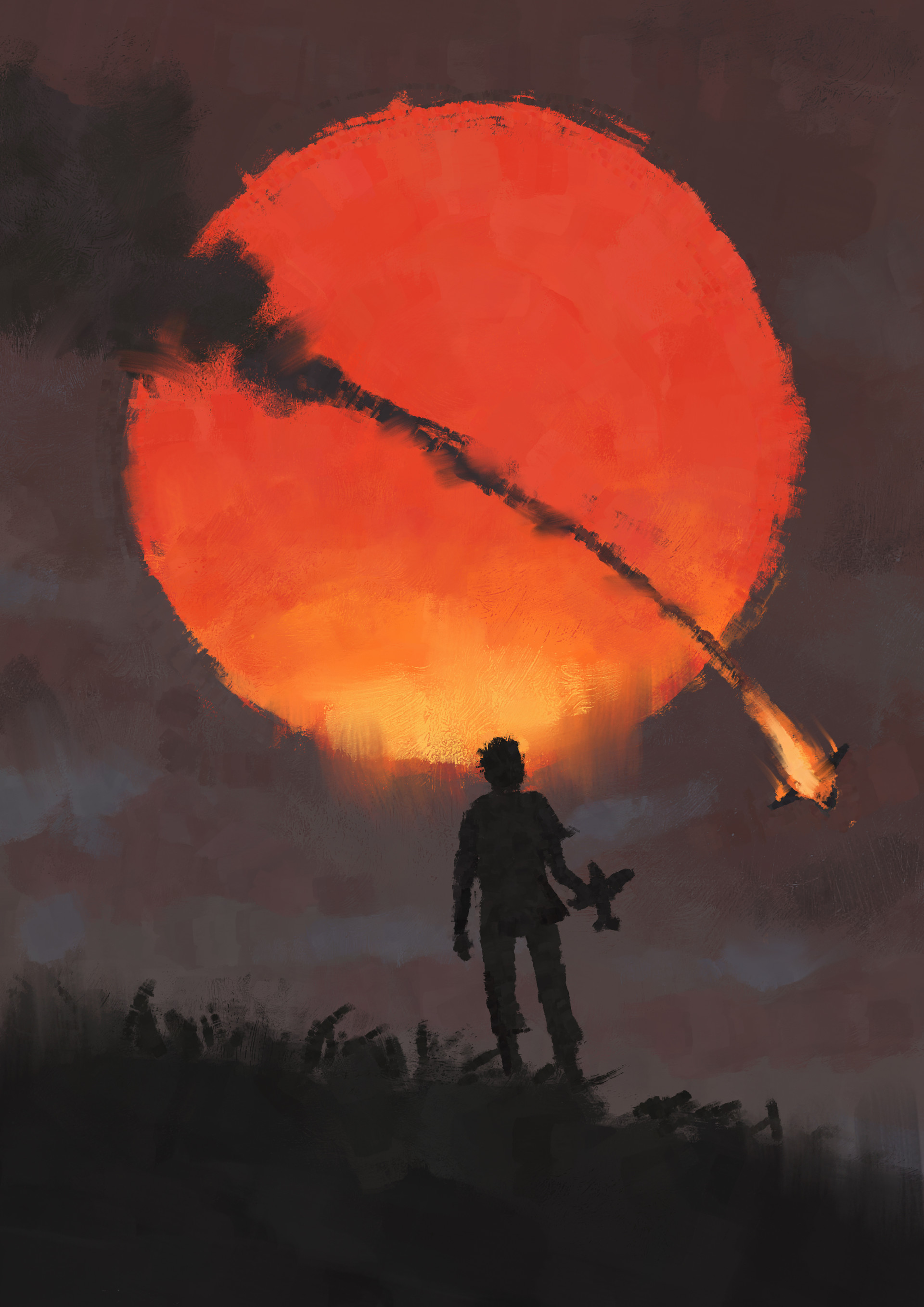
Cinematic artwork
Cinematic framing involves the strategic arrangement of elements within a scene to direct the viewer’s attention and enhance the narrative. Painters have adopted this technique to create a sense of movement and story within their static compositions. By using techniques such as close-ups, wide shots, and off-center framing, artists can evoke the feeling of a film still, drawing the viewer into the scene and encouraging them to imagine the unfolding narrative.
Through this exploration, we aim to highlight the innovative and enduring connection between film and painting, showcasing how cinematic techniques continue to inspire and elevate the art of painting.
Hockney’s paintings frequently incorporate elements of storytelling and sequential art, suggesting a narrative progression within a single work. His use of color and light is also reminiscent of cinematic techniques, with bold, saturated hues and dramatic contrasts that evoke specific moods and atmospheres.
Edward Hopper is a prime example of an artist who uses cinematic framing in his work. His painting Nighthawks (1942) resembles a movie still, with its carefully composed setting and dramatic lighting creating a sense of isolation and tension. Another example is David Hockney, who often employs cinematic perspectives in his large-scale works, such as A Bigger Splash (1967), which captures a single moment with a sense of anticipation and movement.
The relationship between film and painting is a fascinating interplay of visual arts, where each medium has continually borrowed and evolved from the other. Since the advent of cinema in the late 19th century, the dynamic and immersive nature of film has captivated audiences and influenced various forms of artistic expression. Painters, in particular, have been inspired by the narrative and visual techniques developed in cinema, incorporating these elements into their work to create compositions that are rich in storytelling and emotional depth.










Compartir