

Exploring the Future of Trading Crypto Platforms
In recent years, the surge of interest in cryptocurrencies has led to the emergence and rapid growth of trading platforms. These platforms not only facilitate transactions but also offer a complex ecosystem where traders can buy, sell, and exchange a multitude of cryptocurrencies. Understanding the nuances and functionalities of these platforms is crucial for anyone looking to navigate the crypto landscape. For a deeper discussion, feel free to visit this Trading Crypto Platforms http://fezonline.net/forum/viewtopic.php?p=23527.
What are Trading Crypto Platforms?
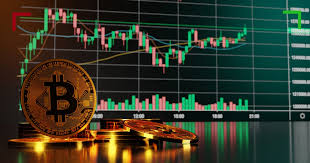
Trading crypto platforms are digital marketplaces that allow users to exchange cryptocurrencies for other digital assets or fiat currencies. They work as intermediaries, providing users with a user-friendly interface to facilitate trades and often offering additional features like price charts, news, and market analytics.
Types of Trading Crypto Platforms
There are primarily three types of trading platforms: centralized exchanges (CEX), decentralized exchanges (DEX), and hybrid platforms. Each type serves a unique purpose and meets different trading needs.
Centralized Exchanges (CEX)
Centralized exchanges are the most common form of trading platforms. They manage the trading operations and hold users’ funds in a centralized database. Notable examples include Binance, Coinbase, and Kraken. The advantages of CEX include high liquidity, user-friendly interfaces, and various trading pairs. However, users must trust these platforms with their funds, making them a target for hacking.
Decentralized Exchanges (DEX)
Unlike their centralized counterparts, decentralized exchanges operate without a central authority. They use smart contracts on a blockchain to facilitate trades directly between users. Popular DEXs include Uniswap, SushiSwap, and PancakeSwap. The main benefits of DEXs are enhanced privacy, reduced fees, and users having full control over their funds. However, they often lack the liquidity and user experience offered by centralized exchanges.
Hybrid Platforms
Hybrid platforms, as the name suggests, combine elements of both CEX and DEX. They aim to offer liquidity and ease of use while providing users with control over their funds. These platforms are still emerging but promise to bring the best of both worlds together.
Key Features of Trading Platforms
When choosing a trading platform, several key features should be considered, as each feature can drastically influence the trading experience.
User Interface
A well-designed user interface is crucial for both novice and seasoned traders. A simple and intuitive layout helps users navigate through trading pairs, charts, and tools effortlessly.
Security
As a trader, the security of your funds is paramount. Platforms that implement two-factor authentication (2FA), end-to-end encryption, and cold storage for funds are generally safer choices.
Transaction Fees
All platforms charge transaction fees, but these can vary significantly. It is important to compare fees across platforms to ensure that trading costs do not eat into your profits.
Customer Support
Good customer support can make a big difference, especially when facing technical issues or emergency situations. Look for platforms that offer 24/7 customer service through various channels.
Available Coins
The number and variety of cryptocurrencies available for trading are essential. Platforms that offer a wide range of assets can cater to various trading strategies and preferences.
The Role of Technology in Crypto Trading
Advancements in technology have significantly influenced how trading platforms operate. Innovations such as automated trading bots, artificial intelligence, and machine learning are increasingly being integrated into trading platforms, providing users with advanced tools for trading strategies.

Automated Trading Bots
Automated trading bots are software programs that automatically place trades on behalf of the user based on predefined strategies. They have gained popularity as they can operate 24/7, often executing trades faster than human traders.
Artificial Intelligence
Artificial intelligence can analyze massive datasets, providing traders with valuable insights about market trends, price movements, and potential trading opportunities. AI-driven predictive models can help traders make more informed decisions.
The Future of Trading Crypto Platforms
As the cryptocurrency market continues to evolve, trading platforms must also adapt to meet the demands of traders. Here are some upcoming trends we can expect to see in the future:
Increased Regulation
As cryptocurrencies gain popularity, regulatory scrutiny will increase. Platforms that can adapt to comply with regulations will likely gain a competitive edge.
Integration of DeFi
The rise of decentralized finance (DeFi) has transformed the financial landscape, and the integration of DeFi products into trading platforms may provide users with more options for earning yields on their holdings.
Enhanced User Experience
As competition intensifies, trading platforms will focus on enhancing user experience through more intuitive interfaces, better customer service, and educational resources for traders.
Conclusion
Trading crypto platforms have come a long way and will continue to evolve with the advancements in technology and changes in market dynamics. Whether you choose a centralized or decentralized exchange, it’s essential to select a platform that meets your trading needs while ensuring the safety and security of your funds. As the market matures, keeping an eye on the latest trends and developments can help traders maximize their potential in the exciting world of cryptocurrency trading.










Compartir